The Allure of Risk and Reward
Casino gambling attracts individuals largely due to the thrill associated with risk and the potential for a substantial reward. The human brain is wired to seek out excitement, often leading players to a heightened state of arousal when they place bets. This adrenaline rush is paired with the hope of winning big, creating a compelling incentive that can be hard to resist. In many cases, players are drawn to the fastest payout casinos, hoping that swift returns will further enhance their gambling experience.

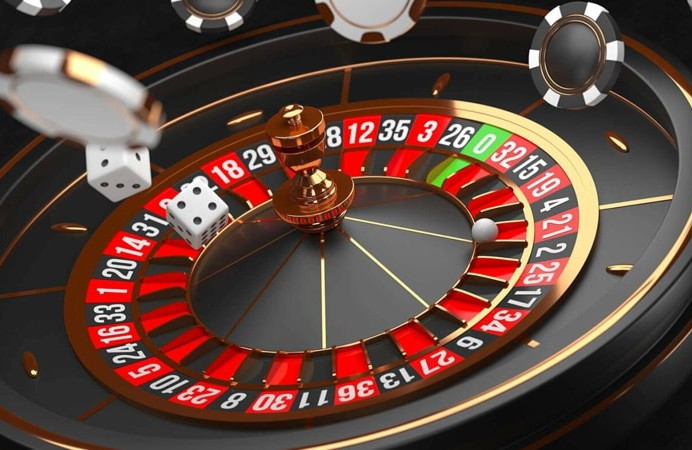
Moreover, the immediate feedback provided by casino games enhances the psychological thrill. Whether it’s the sound of coins clinking or the spinning of a roulette wheel, these sensory elements keep players engaged, tapping into their desire for instant gratification. This dynamic can lead to a cycle of continued play, where each win, however small, reinforces the behavior and entices players to seek more chances at success.
The Role of Cognitive Distortions
Cognitive distortions significantly influence gambling behavior by altering how players perceive risk and reward. Many gamblers fall prey to the illusion of control, believing they can influence the outcome of games based on their actions or strategies. This belief can lead to excessive betting as players convince themselves that they can turn the odds in their favor.
Additionally, gamblers often exhibit a confirmation bias, where they remember their wins more vividly than their losses. This selective memory can perpetuate the gambling cycle, as players return to the casino in hopes of replicating their previous successful experiences, despite the odds being stacked against them over time.
The Social Aspect of Gambling
The social environment of casinos also plays a key role in attracting players. Gambling can serve as a social activity, where individuals connect with others, share experiences, and build camaraderie. Many people are drawn to the vibrant atmosphere of casinos, where social interactions can amplify the excitement of gambling.
Furthermore, peer pressure and social reinforcement can lead to increased gambling behavior. When individuals observe their friends or family winning, they may feel compelled to join in, believing they too have a chance at a lucrative outcome. This social dynamic can create a sense of belonging, which reinforces continued participation.
The Impact of Marketing and Environment
The design and marketing strategies employed by casinos are meticulously crafted to enhance the gambling experience. Bright lights, engaging sounds, and comfortable environments are all tailored to keep players in a state of exhilaration. The layout of casinos often encourages prolonged play, with easy access to food and beverage services to minimize distractions and maximize engagement.
Moreover, promotional incentives such as loyalty programs and bonuses are designed to lure players back. These tactics not only capitalize on the thrill of gambling but also create a sense of loyalty and attachment to the casino brand, further driving players’ return visits and participation.
Raising Awareness: The Importance of Responsible Gambling
While the excitement of gambling can be an enjoyable pastime, it is crucial to recognize the potential risks associated with excessive gambling. Understanding the psychology behind gambling can help individuals make informed decisions and encourage responsible gaming practices. Awareness campaigns and resources about the psychological impacts of gambling are essential in preventing problematic gambling behaviors.
Organizations dedicated to combating issues related to gambling often provide educational materials and support services to those in need. Engaging with such resources can empower individuals to seek help and raise awareness of the broader societal impacts of gambling, ultimately fostering a healthier relationship with this popular activity.